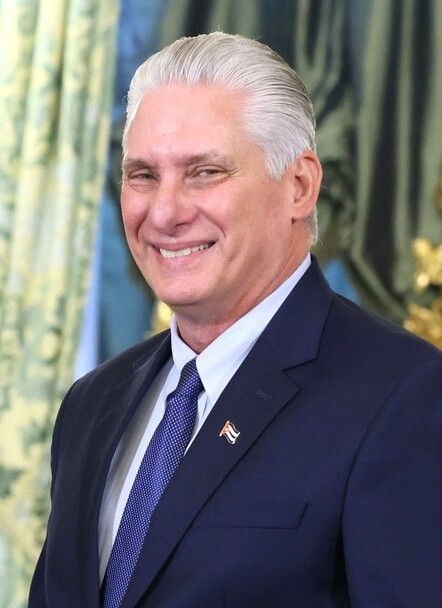
In May 2018, the vibrant spirit of Cuba was momentarily stilled by an unimaginable tragedy. A catastrophic air disaster unfolded near Havana's José Martí International Airport, sending shockwaves across the island nation and beyond. What began as a routine domestic flight from the capital to the eastern province of Holguín swiftly transformed into one of the country's worst aviation accidents in recent memory. A Boeing 737-200, carrying 113 souls, plummeted to the earth, leaving behind a scene of devastating wreckage and profound sorrow. Only three passengers initially survived, though their battle for life would be arduous and ultimately, for most, unsuccessful. This heartbreaking event not only claimed over a hundred lives but also thrust Cuba's newly appointed president, Miguel Díaz-Canel, into the eye of a storm, presenting the deepest challenge of his nascent leadership. The repercussions rippled far and wide, leaving Cuban families shaken to their core, grappling with unimaginable loss and an urgent need for answers.
A Nation Gripped by Tragedy: The Havana Air Disaster
The images emerging from the crash site were, as one observer put it, "hypnotically tragic." Scattered across a rural field not far from the airport, lay the remnants of what minutes before had been a bustling aircraft. The sheer scale of the devastation was immediate and overwhelming. The crash of Cubana de Aviación Flight 972, operated by Global Air (Aerolíneas Damojh) on a leased Boeing 737-200, was a stark reminder of life's fragility. For an island known for its resilience and vibrant culture, this catastrophe struck at the very heart of its people.
The initial moments were fraught with desperate hope as rescue teams scrambled to the scene. The miraculous discovery of three survivors amidst the wreckage offered a fleeting beacon of light, quickly overshadowed by the immense death toll. The identification process, for those who lost loved ones, was agonizing, a somber confirmation of an irreversible loss. Each life lost represented a family shattered, a community grieving, and a future unfulfilled. From young children to elderly grandparents, the victims reflected the diverse tapestry of Cuban society, their dreams and journeys abruptly ended.
This particular incident underscored critical questions about aviation safety, particularly concerning leased aircraft and their maintenance standards. While investigations would later delve into these specifics, the immediate aftermath was dominated by the raw emotion of loss and the collective mourning of a nation.
Díaz-Canel's Baptism by Fire: Navigating Unprecedented Challenges
The timing of this tragedy could not have been more inopportune for Cuba and its new leadership. Miguel Díaz-Canel Bermúdez had only recently assumed the presidency from Raúl Castro, marking a generational shift in Cuban politics. His ascension was meant to symbolize a new era, yet he found himself almost immediately confronted by a crisis of monumental proportions. The plane crash was not merely an accident; it was a national emergency that tested his leadership, empathy, and ability to manage complex situations under intense public and international scrutiny.
Díaz-Canel's swift appearance at the crash site, visually distressed and contemplating the profound implications, signaled his direct engagement with the crisis. This was a crucial moment for him to demonstrate strong, compassionate leadership, offering reassurance to a grief-stricken population while simultaneously orchestrating the national response. Adding to the internal pressures, rumors had just circulated about Raúl Castro, who still held the powerful position of First Secretary of the Communist Party, undergoing an operation. This meant Díaz-Canel was navigating the crisis without the immediate, full institutional backing of his predecessor, further amplifying the weight on his shoulders. He faced the immense task of uniting a grieving nation, ensuring transparent investigations, and reassuring both domestic and international audiences about the country's stability and commitment to safety.
Economic Headwinds and International Scrutiny
The air tragedy unfolded against a backdrop of significant economic strain and diplomatic challenges for Cuba. The diplomatic "thaw" with Washington, initiated during the Obama administration, had largely given way to an "ice age" under the subsequent US administration. This shift translated into renewed restrictions and a chilling effect on foreign engagement, further isolating the island economically. Tourism, a vital pillar of the Cuban economy and a crucial source of foreign currency, had already experienced a concerning 7 percent decline in the first quarter of that year. This downward trend, exacerbated by the ongoing tensions, left the state's coffers even more notoriously strained. The financial burden of a catastrophe of this magnitude – including recovery efforts, victim compensation, and potential long-term impacts on tourism – threatened to seriously impair an already precarious economic situation.
Compounding these challenges was the severe economic crisis plaguing allied Venezuela, a key benefactor and trading partner for Cuba. The ripple effects of Venezuela's struggles significantly tightened Cuba's fiscal belt, reducing access to crucial resources and aid. Moreover, the presence of Mexican and Argentinian citizens among the victims immediately signaled the necessity of an international investigation. This requirement would undoubtedly put Cuba's traditional inclination towards national secrecy regarding such incidents to the test. International involvement demands a level of transparency and collaboration that can be challenging for any nation, but particularly for Cuba given its historical context. The global community would watch closely, expecting thoroughness and accountability. For a deeper dive into these compounding pressures, explore how the Havana Plane Crash: Economic Woes and International Pressure on Cuba intertwined to create a perfect storm.
Beyond the Crash: Natural Disasters Add to Cuba's Woes
As if the air tragedy were not enough, Cuba had simultaneously been grappling with a relentless onslaught of natural disasters, further complicating Díaz-Canel’s early presidency and straining national resources. Just days before the plane crash, the island had experienced the severe aftermath of Hurricane Rafael, which caused widespread power outages across most regions. Many communities, particularly in remote areas, remained without electricity for days, or even weeks, as crews worked tirelessly to restore downed power lines and repair damaged transformers. The extensive infrastructure damage and the protracted recovery efforts diverted significant attention and resources from other pressing national needs.
Adding to this string of unfortunate events, a series of earthquakes rattled the eastern part of the island. Following an initial tremor of magnitude 5.8, a more powerful aftershock of magnitude 6.8 struck approximately 35 kilometers off the coast of Granma province, near Santiago de Cuba. These seismic events sent residents fleeing their homes in panic, causing landslides, further damaging already fragile structures, and contributing to additional power disruptions. Díaz-Canel had been actively engaged in visiting communities devastated by Hurricane Rafael just prior to the plane crash, highlighting the constant battle his administration faced against both man-made and natural adversities. These concurrent crises underscored the immense burden on the new government, demanding multi-faceted responses and testing the resilience of both the leadership and the Cuban populace.
The Enduring Pain: Supporting Cuban Families in Crisis
While the economic and political implications of the air tragedy were vast, its deepest and most enduring impact was felt by the families of the victims. The hearts of Cuban families were profoundly shaken, left to contend with the harrowing reality of sudden, traumatic loss. The process of identifying the remains, often a painful and prolonged endeavor, added another layer of suffering to their grief. These families were not just statistics; they were individuals grappling with the last memories of their loved ones, questioning the circumstances that led them to board that ill-fated flight, and seeking solace amidst unimaginable pain.
The government's response to the families became paramount. Beyond the immediate needs of grief counseling and logistical support, there was a profound need for transparent communication. Families have an inherent right to answers: why did this happen? What were the conditions of the aircraft? How will justice be served? In such national tragedies, the meticulous and empathetic handling of victim support, including clear, consistent updates on investigations, is critical for healing. Cuban authorities faced the delicate task of accompanying every step of the medical and police investigations with sensitivity, avoiding any perception of political manipulation or secrecy that could further distress the grieving relatives. Practical advice in such situations often emphasizes the importance of community support networks, mental health services for trauma, and dedicated family liaison officers who can provide factual, compassionate updates, ensuring that the human dimension remains at the forefront of the national response.
For these families, the long road to healing would be marked by memories, anniversaries, and the perpetual search for meaning in a senseless loss. The incident also highlighted the importance of robust aviation safety protocols and international cooperation to prevent similar tragedies, offering a glimmer of purpose amidst the pain.
The air tragedy in May 2018 marked a pivotal moment for Cuba, testing its new president and revealing the profound resilience of its people. Miguel Díaz-Canel inherited a nation facing not only the immediate aftermath of a horrific accident but also a complex web of economic hardships, diplomatic tensions, and the relentless challenge of natural disasters. The crash served as a poignant reminder of the interconnectedness of national well-being, where a single event can cascade into a multifaceted crisis. As Cuba moves forward, the memory of those lost and the enduring pain of their families will undoubtedly continue to shape national discourse, urging greater transparency, accountability, and an unwavering commitment to the safety and welfare of its citizens. The path to full recovery will be long, but the spirit of Cuba, though deeply shaken, remains determined to seek answers and rebuild.