Havana Plane Crash: Economic Woes and International Pressure on Cuba
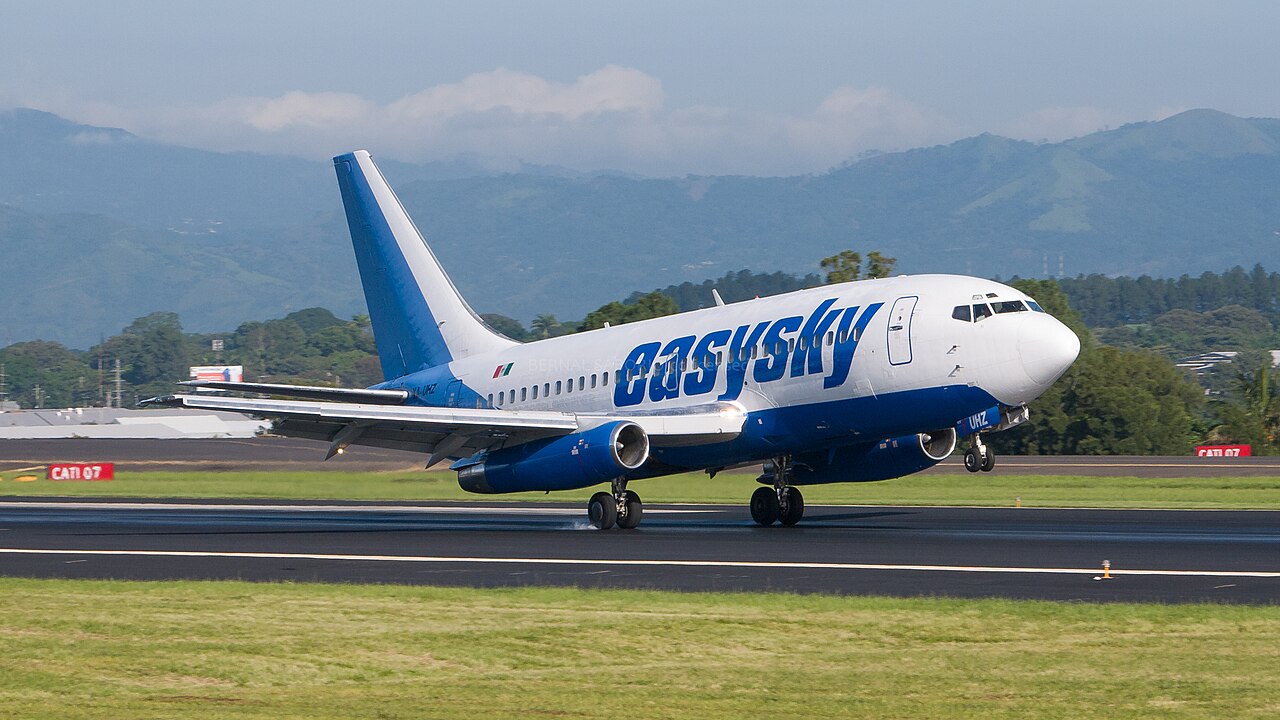
The images from Cuba following the tragic plane crash near Havana’s José Martí International Airport were haunting, capturing a nation in profound grief and crisis. Scattered across an agricultural field lay the remnants of what was, moments before, a Boeing 737-200 carrying 113 souls, destined for the eastern province of Holguín. Only three passengers miraculously survived this harrowing event, marking one of the worst aviation disasters in Cuba's recent history. Beyond the immediate human toll, the tragedy struck at an exceptionally vulnerable time for the island nation, exacerbating existing economic challenges and drawing intensified international scrutiny.
A Fragile Economy Under Siege
The catastrophic accident occurred amidst a period of significant economic strain for Cuba. The brief thaw in diplomatic relations with Washington had, by then, given way to a palpable chill, impacting various sectors crucial to the Cuban economy. Tourism, a vital source of foreign currency, had already suffered a noticeable decline, with a reported 7 percent drop in the first quarter of the year. This downturn was largely attributed to stricter travel restrictions imposed by the U.S. and a general shift in international perceptions, further emptying an already notoriously strapped national treasury. A disaster of this magnitude places an immense, unforeseen burden on state finances, diverting resources from other essential public services and development projects.
Adding to these domestic woes, Cuba's principal ally and economic partner, Venezuela, was (and still is) mired in a severe economic crisis. This situation has had a cascading effect on Cuba, particularly concerning oil subsidies and trade agreements that historically propped up the island's energy sector and overall economy. The combined pressure of declining tourism, strained international relations, and reduced support from key allies created an incredibly precarious economic environment, making the plane crash a devastating blow at the worst possible moment. The cost of emergency response, victim identification, and potential compensation further strained resources that were already stretched thin, highlighting the precarious balance of the Cuban economy.
The Human Toll and The Call for Transparency
While the economic and political implications are vast, the most profound impact of the crash was felt in the hearts of the Cuban people. Over a hundred Cuban citizens were aboard that fateful flight, their lives abruptly ended at 12:08 p.m. on a Friday. For the relatives, the journey of grief is long and agonizing, involving the painful process of identifying remains and grappling with the sudden, incomprehensible loss. The memories of last moments with loved ones, the chance circumstances that led them to board that specific flight leased from Mexican airline Global Air (Aerolíneas Damojh), and the stories of those who narrowly missed the flight, all become a part of the collective narrative of sorrow. In these moments, the phrase Cuban Families Shaken: Navigating Grief and Seeking Answers Post-Crash aptly captures the raw emotion and enduring pain.
The tragedy profoundly impacted the `familien kuba erschüttert` (families in Cuba shaken), demanding not just solace but also answers. Among the victims were also Mexican and Argentinian nationals, adding an international dimension to the investigation. This international aspect necessitated Cuba's agreement to an inquiry with foreign participation, a significant departure from the secrecy that often surrounds such investigations at a national level in Cuba. The search for answers from abroad challenged the usual opacity, putting pressure on Cuban authorities to embrace a level of transparency that is not always customary. The families of the deceased have an undeniable right to know what caused their loved ones' untimely deaths, and international involvement often provides a critical layer of expertise and impartiality to ensure a thorough and credible investigation.
Leadership Under Fire: Díaz-Canel's Baptism of Fire
The plane crash presented the biggest challenge in the nascent presidency of Miguel Díaz-Canel. Having recently succeeded Raúl Castro, who still holds significant sway as head of the Communist Party of Cuba and was reportedly recovering from an operation at the time, Díaz-Canel found himself at the epicenter of a national tragedy. On the day of the accident, he was seen alarmed at the crash site, undoubtedly contemplating the profound political consequences this disaster could have on his still-young tenure. The incident served as a stark and immediate test of his leadership, his capacity for empathy, and his ability to manage a multifaceted crisis involving national grief, international relations, and economic recovery.
Díaz-Canel's response would be scrutinized both domestically and abroad, setting a precedent for his leadership style and his government's commitment to accountability. For a new leader, navigating such a high-profile catastrophe demands not only decisive action but also the delicate balancing act of reassuring a grieving population while managing international expectations and internal political dynamics. This immense pressure is further explored in Cuba's Air Tragedy: Díaz-Canel Faces Nation's Deepest Challenge, highlighting the unique confluence of challenges he faced.
Beyond the Crash: Cuba's Ongoing Battle with Adversity
The plane crash, while devastating, is not an isolated incident of adversity for Cuba. The island nation has a long history of resilience in the face of numerous challenges, including natural disasters. Just prior to the plane crash, Cuba had been grappling with the aftermath of Hurricane Rafael, which caused widespread power outages across the country. Many communities were left without electricity for days, as efforts were concentrated on restoring power lines and repairing damaged infrastructure. This was compounded by significant seismic activity, including a powerful earthquake of magnitude 6.8 off the coast of Granma province, just hours after an initial tremor. These events, while causing property damage and panic, further illustrated the constant state of crisis management that the Cuban government and its people often find themselves in.
The ongoing struggle against these varied adversities—from natural calamities to economic sanctions and now a major aviation disaster—showcases the Cuban populace's remarkable fortitude. However, it also stretches the nation's limited resources to their breaking point. Each new crisis demands immediate attention and allocation of funds, further delaying long-term development plans and improvements to infrastructure and services. The ability to effectively respond to these cumulative challenges, while maintaining public trust and international credibility, is a continuous and monumental task for the Cuban leadership.
Tips for International Cooperation in Disaster Investigations:
- Prompt Information Sharing: Rapid and transparent exchange of data between involved nations is crucial for effective investigation.
- Expert Collaboration: Inviting international aviation safety experts (e.g., from ICAO, NTSB) provides specialized knowledge and enhances credibility.
- Victim Family Support: Establishing clear channels for communication and support for all affected families, regardless of nationality.
- Lessons Learned: Thoroughly documenting findings to prevent future incidents and sharing these insights globally.
- Neutrality and Independence: Ensuring the investigation is conducted without political interference to arrive at objective conclusions.
Conclusion
The Havana plane crash was a profound tragedy that plunged Cuba into a deep state of mourning, while simultaneously exposing and exacerbating the nation's underlying economic vulnerabilities and political challenges. For the `familien kuba erschüttert`, the path forward is one of immense grief and a relentless pursuit of answers. For the Cuban government, led by Miguel Díaz-Canel, it represents a critical test of leadership, demanding transparency, effective crisis management, and the difficult navigation of international pressures. As Cuba continues to grapple with economic austerity, a complicated geopolitical landscape, and the lingering scars of both natural and man-made disasters, the lessons learned from this heartbreaking event will undoubtedly shape its future trajectory, emphasizing the urgent need for robust safety protocols, economic resilience, and compassionate governance.